Archaeological Investigation of the Sittanavasal Cave Temple
Posted by hoangduc - August 16, 2026
The Sittanavasal Cave, also historically designated as the Arivar Koil or the “Temple of the Arhats,” represents a monumental achievement in early South Indian rock-cut architecture. Situated in the small village of Sittanavasal within the Pudukkottai district of Tamil Nadu, India, this archaeological complex is carved into a prominent north-south running hill. Etymologically derived from the Tamil words sit-tan-na-va-yil, the site’s name translates to “the abode of the great saints,” reflecting its deep historical roots as an ascetic sanctuary. Rising above the surrounding plains, the cave complex has served as an exceptional focal point for scholarly research into medieval Indian religious art, asceticism, and lithic engineering.
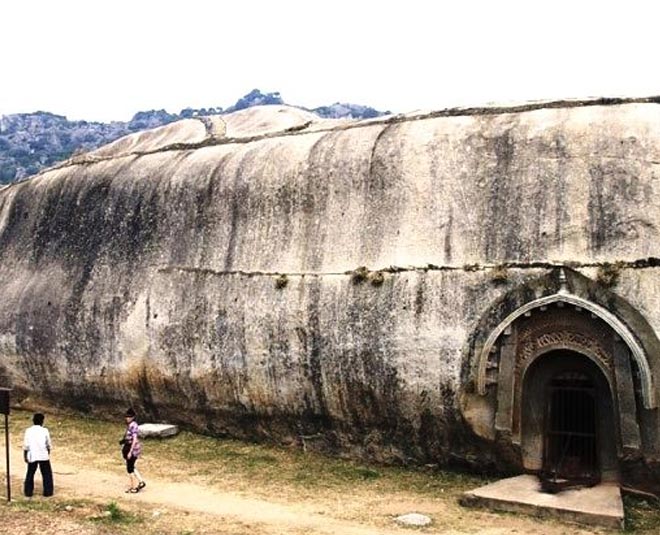
Chronologically, the site spans multiple phases of historical development, functioning primarily between the 2nd century BCE and the 9th century CE. While the broader hilltop complex containing natural rock shelters and ascetic stone beds dates back to the early Śramaṇa and Tamil-Brahmi periods around the 2nd century BCE, the primary rock-cut cave temple was excavated later. Archaeological analysis attributes the initial construction of the cave shrine to the Pallava King Mahendravarman I during the late 6th to early 7th century CE (circa 580–630 CE) prior to his religious conversion. Subsequent structural additions, restorations, and extensive artistic ornamentation were undertaken during the 7th and 9th centuries CE under the patronage of the Pandya dynasty, notably inscribed under rulers such as Maran Sendan or Arikesari Maravarman.
From a material and technological standpoint, the monument is hewn directly out of the live hard rock of the hill, making it a stellar example of monolithic subtractive architecture. The original structural layout comprises a sanctum (garbhagriha) and a semi-hall (ardha-mandapa), supplemented by simple stone pillars and pilasters featuring square bases and hexagonal middle sections. The interior surfaces, including stone walls and ceilings, were meticulously prepared with a thin layer of lime plaster ranging between 1 to 8 millimeters in thickness. Upon this prepared surface, master artisans executed rare fresco-secco mural paintings utilizing natural mineral and vegetable dyes—incorporating distinct shades of black, green, yellow, orange, blue, and white.

Functionally and symbolically, the cave served as an important religious, meditative, and pilgrimage center for Jain monks and lay pracтιтioners. The sophisticated wall and ceiling murals depict sacred Jain theological concepts, most notably the Samavasarana (the divine ᴀssembly hall representing the attainment of nirvana) and a lush lotus pond (khatika bhumi) filled with aquatic life, birds, elephants, and devotees gathering blossoms. Additionally, the rocky hilltop features seventeen polished stone beds (pattam) bearing ancient Tamil-Brahmi inscriptions, which served as rigorous ascetic resting and penance places for Jain monks practicing extreme spiritual disciplines such as kayotsarga and sallekhana.

The scientific documentation, preservation, and administrative oversight of the Sittanavasal complex are presently managed by the Archaeological Survey of India (ASI), which classifies the site as a monument of national importance. Early modern scholarly rediscovery and cleaning initiatives began under the historical Pudukkottai State administration in the 1930s, followed by specialized conservation works by pioneers like Dr. S. Paramasivan and K. R. Srinivasan to preserve the delicate plaster layers and aging 7th-century pigments. Today, continuous maintenance, chemical conservation, and educational outreach programs by the ASI ensure that this irreplaceable repository of early South Indian art and monastic heritage remains protected for ongoing historical research.
✓ hoangduc
The Sittanavasal Cave, also historically designated as the Arivar Koil or the “Temple of the Arhats,” represents a monumental achievement in early South Indian rock-cut architecture. Situated…