Architectural and Archaeological Analysis of the Inca Stonework at Ollantaytambo
The magnificent stone wall depicted in the image is located at the archaeological site of Ollantaytambo, situated in the Sacred Valley of the Incas along the Urubamba River in the Cusco region of Peru. Geographically, this impressive architectural complex is built upon steep terraces and rocky hillsides, dominating the surrounding valley floor and serving as both a strategic fortress and a royal administrative center. The site’s physical integration into the rugged Andean topography highlights the extraordinary capability of Inca urban planners to harmonize mᴀssive structural engineering with natural mountain landscapes.
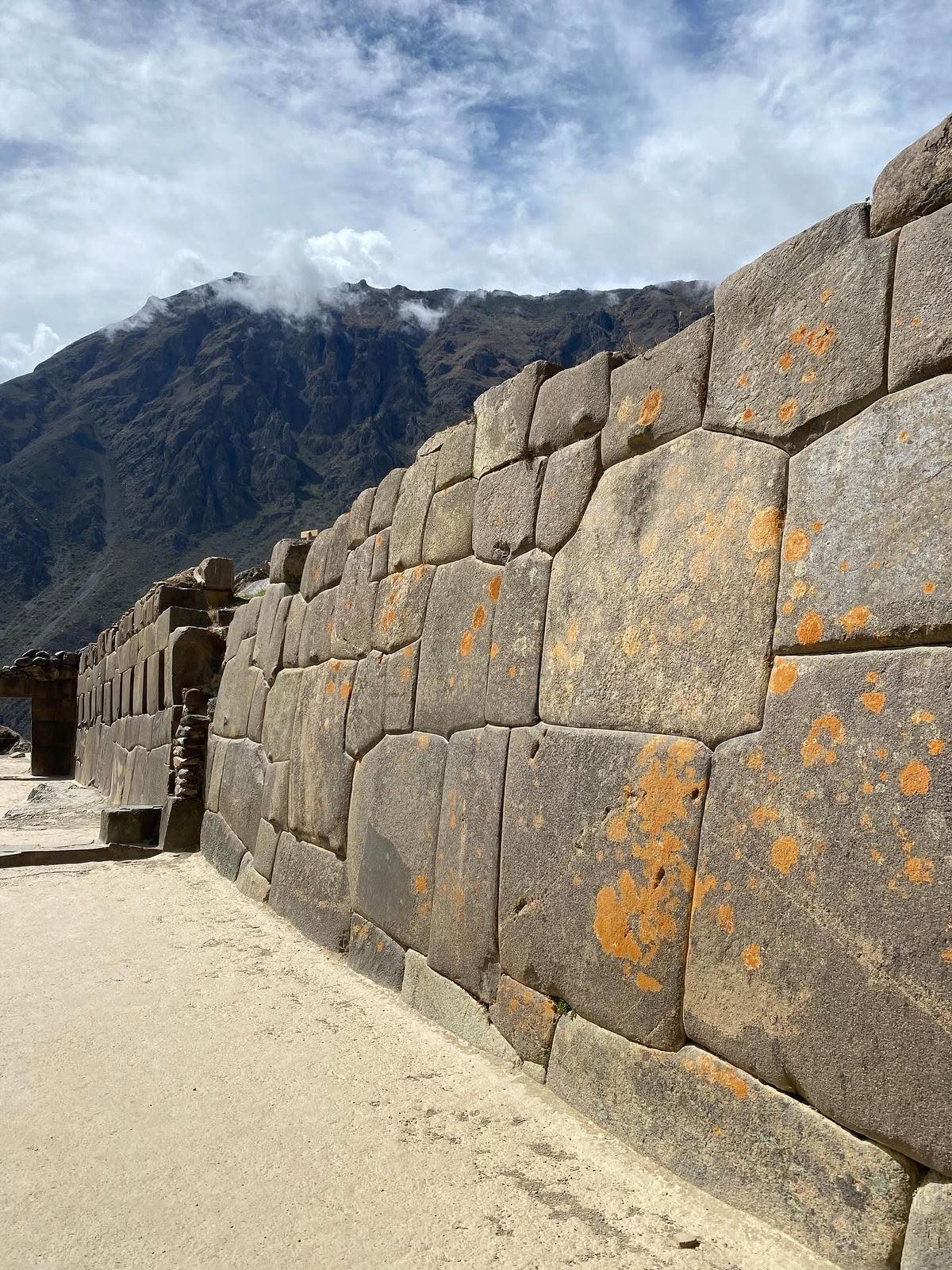
Chronologically, the construction of these monumental stone walls dates back to the Late Horizon period of Andean prehistory, specifically flourishing during the mid-to-late 15th century under the rule of Inca emperors such as Pachacuti. This era represents the peak of the Inca Empire’s territorial expansion and architectural evolution just prior to the arrival of Spanish conquistadors in the 1530s. Historical and archaeological data indicate that Ollantaytambo was actively expanding when the Spanish conquest interrupted its completion, leaving behind several unfinished megalithic projects that provide direct insights into ancient construction methodologies.
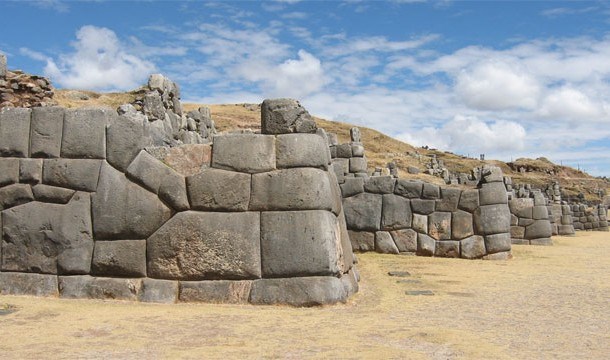
From a material and manufacturing perspective, the wall is constructed from mᴀssive blocks of pink granite and hard rhyolite, which were quarried at the Kachiqhata site located across the turbulent Urubamba River. The stonemasons achieved an astonishing level of precision through intensive labor, utilizing stone hammers, bronze tools, and abrasive sands with water to grind the contact surfaces until they interlocked seamlessly without any mortar. The blocks are meticulously fitted with smooth faces and slightly rounded cushions, showcasing advanced imperial stonemasonry techniques designed to withstand severe environmental pressures.
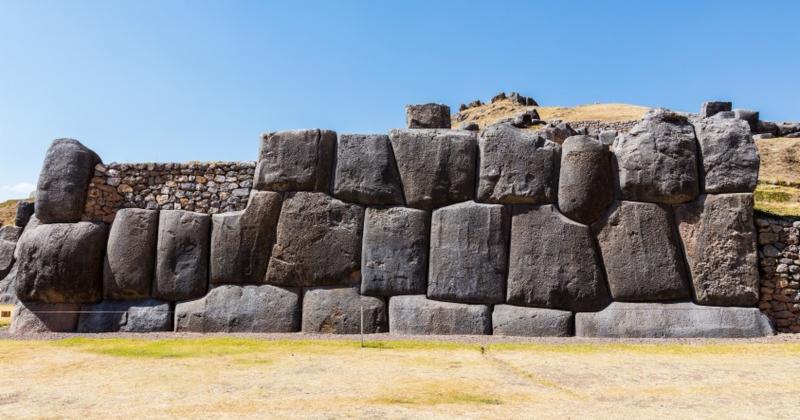
Functionally and symbolically, these monumental walls served as high-status retaining structures, defensive fortifications, and sacred architectural boundaries for imperial elites and religious ceremonies. The precise ashlar masonry and the slight inward batter of the walls were intentionally engineered to provide exceptional seismic resilience, allowing the heavy stones to shift during earthquakes and settle back precisely into place without structural collapse. Beyond their practical defensive and load-bearing utility, these megalithic formations symbolized the absolute power of the Inca state and the sacred alignment of architecture with the surrounding mountain deities (Apus).

The documentation, scientific study, and ongoing preservation of Ollantaytambo have been directed by generations of Peruvian and international archaeologists, insтιтutions, and government bodies such as the Ministerio de Cultura del Perú. Early modern explorers and scholars, including Ephraim George Squier in the 19th century, provided the first detailed scientific documentations of these ruins, laying the groundwork for modern archaeological mapping and structural stabilization. Today, insтιтutional research and heritage conservation projects continue to protect these irreplaceable Inca megaliths from environmental erosion and tourism impact, ensuring their legacy endures for future study.
✓ Ryan Mitchell
The magnificent stone wall depicted in the image is located at the archaeological site of Ollantaytambo, situated in the Sacred Valley of the Incas along the Urubamba…