Comparative Archaeological Analysis of Polygonal Masonry: Cusco, Peru and Bozukkale, Turkey
The study of monumental architecture across geographically separated ancient civilizations frequently reveals striking technological parallels in stone construction, known broadly as polygonal masonry. This comparative analysis examines two prominent examples of intricately fitted megalithic blocks: one located in the historic heart of Cusco, Peru, and the other discovered at the archaeological site of Bozukkale in Turkey. These remarkable architectural features serve as a vital focus for researchers aiming to understand how disparate ancient societies solved complex structural engineering problems, managed material science, and executed high-precision stone shaping without modern technology. As central subjects in global archaeological studies, these structures offer profound insights into the universal physical principles governing monumental building traditions.

Chronologically, these architectural manifestations span distinct periods and regions of the ancient world, yet both reflect mature engineering phases of their respective civilizations. The famous polygonal stonework in Cusco dates back to the Late Horizon period of Andean history, specifically constructed during the height of the Inca Empire in the 15th century CE to serve as royal and administrative complexes. In contrast, the masonry at Bozukkale—historically known as Loryma—connects to the ancient Mediterranean and Byzantine or Hellenistic military architecture eras, spanning from classical antiquity through the medieval period. Despite their temporal and geographical separation, both sites demonstrate an advanced understanding of how to stabilize monumental stone walls against environmental stress and seismic activity.
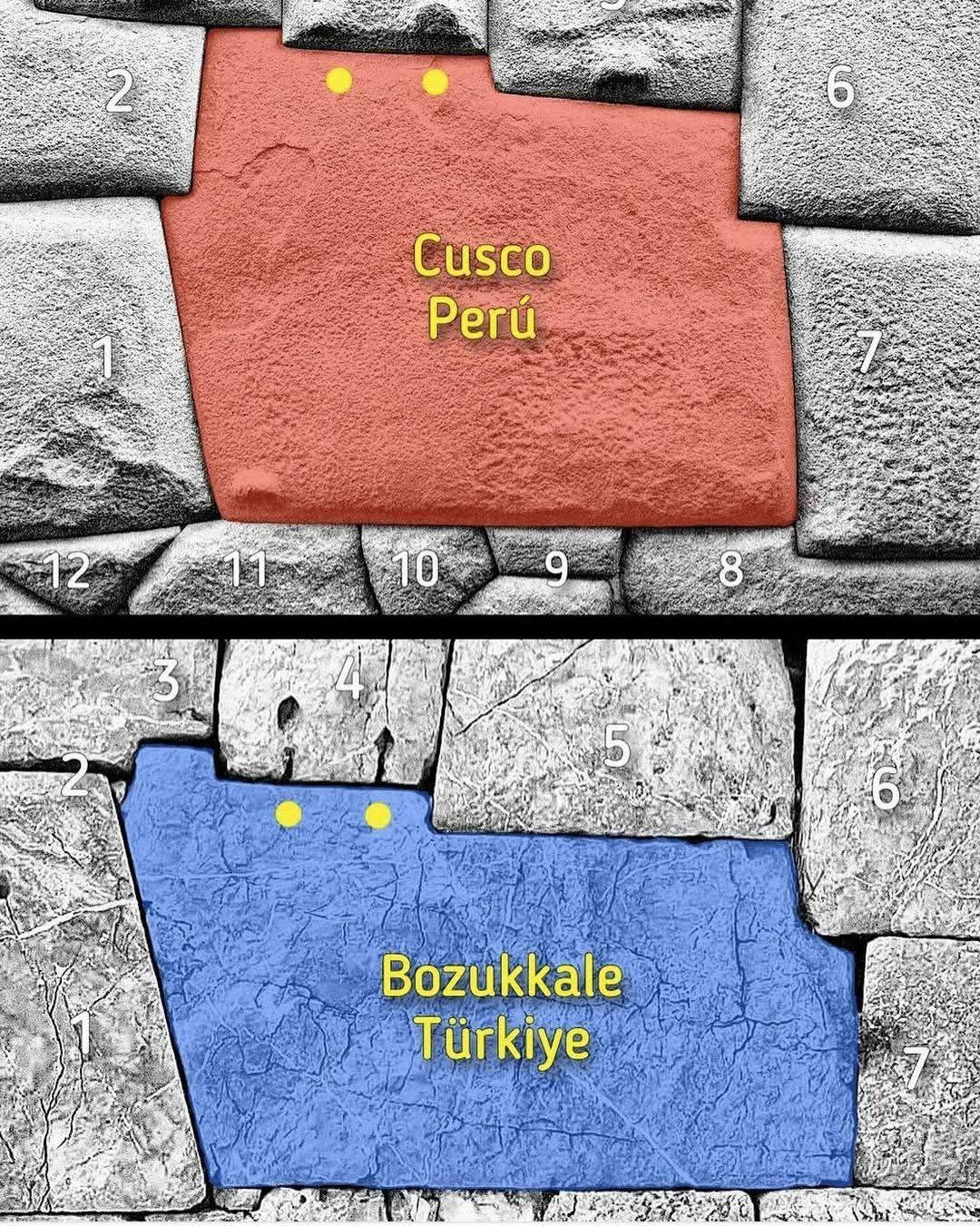
The physical materials and manufacturing details of both masonry traditions highlight exceptional craftsmanship utilizing locally quarried natural stone beds. In Cusco, builders utilized dense igneous rocks such as diorite and greenstone, employing heavy stone hammers, bronze tools, and abrasive sand to meticulously grind and peck each contiguous block until it achieved a flawless, mortarless interlocking fit. Similarly, the stonework at Bozukkale reflects sophisticated ashlar and polygonal fitting techniques executed on regional limestone or hard rock formations, where blocks were shaped with absolute precision to distribute weight evenly across irregular foundations. Every detail of the crafting process at both locations speaks to the high level of specialized skill possessed by ancient masons working under organized state or military patronage.
Beyond their physical composition, the primary utility and cultural significance of these polygonal stone ᴀssemblies lie in their brilliant engineering design and structural resilience. In the seismically volatile Andes of Peru, the precise polygonal geometry allowed Inca walls to shift during earthquakes and settle back into place without structural collapse, while simultaneously projecting imperial dominance and a harmonious integration with the natural landscape. Similarly, the fortified walls of Bozukkale in southwestern Turkey served a vital defensive and strategic function along maritime trade routes, where durable, тιԍнтly fitted masonry protected military installations against sieges, environmental weathering, and tectonic tremors.
The scientific documentation, archaeological discovery, and ongoing preservation of these monumental sites are the result of generations of systematic surveys and excavations conducted by international research insтιтutions, universities, and cultural heritage organizations. Early travelers and epigraphers first documented the striking precision of Cusco’s imperial architecture following the 16th-century Spanish conquest, while modern archaeological projects by Peruvian authorities and international missions continue to protect the site as a UNESCO World Heritage monument. Concurrently, archaeological investigations at Bozukkale and surrounding coastal fortifications have been advanced by classical scholars and maritime archaeologists, ensuring that both Andean and Mediterranean marvels remain protected and studied for future scientific inquiry.
✓ hoangduc
The study of monumental architecture across geographically separated ancient civilizations frequently reveals striking technological parallels in stone construction, known broadly as polygonal masonry. This comparative analysis examines…