Decoding the Masterpiece of Inca Stonework: An Archaeological Analysis of the Twelve-Angled Stone in Cusco
The Twelve-Angled Stone is located along Hatun Rumiyoc Street in the historic heart of Cusco, Peru, which served as the capital of the vast Inca Empire. Geographically and stratigraphically situated within the foundations of an ancient palace wall that once belonged to the Inca ruler Inca Roca, this iconic structural element is deeply embedded in the urban landscape of the old imperial city. The site itself is a prominent archaeological attraction that draws researchers and visitors from around the globe, acting as a direct physical window into the sophisticated urban planning, spatial organization, and architectural brilliance of pre-Columbian Andean civilization.
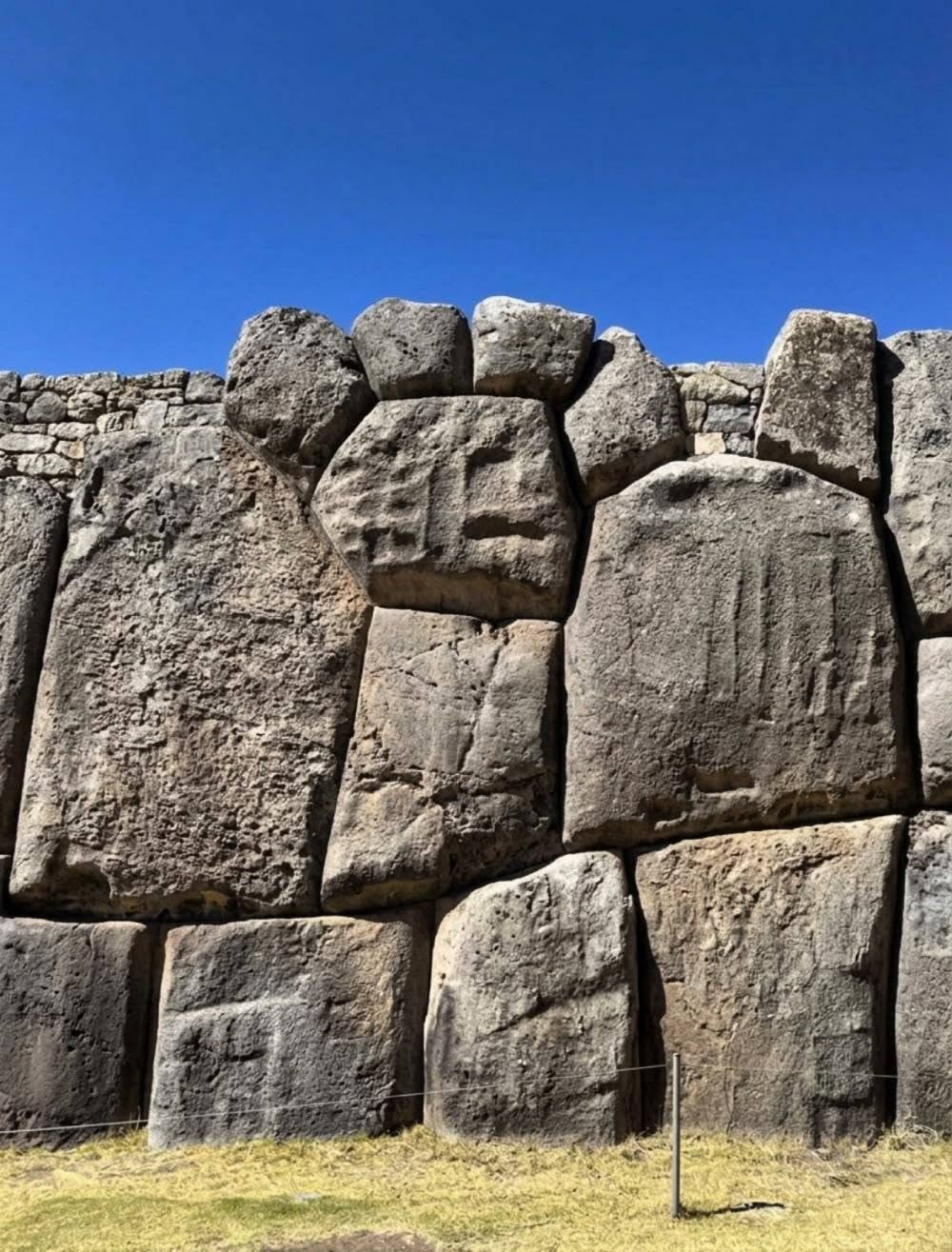
Chronologically, the construction of this monumental wall dates back to the Late Horizon period of Andean prehistory, specifically flourishing during the height of the Inca Empire between the 15th and early 16th centuries (circa 1400–1532 CE). Before the expansion of the Inca state, the Cusco valley had seen various developmental phases, but the precise ashlar masonry technique observed here represents the pinnacle of imperial Inca engineering under rulers like Pachacuti and his successors. Although Spanish colonization subsequently altered the upper tiers of many indigenous structures—often building colonial mansions directly atop mᴀssive Inca foundations—the lower walls, including the stone block in question, have survived centuries of seismic activity intact.
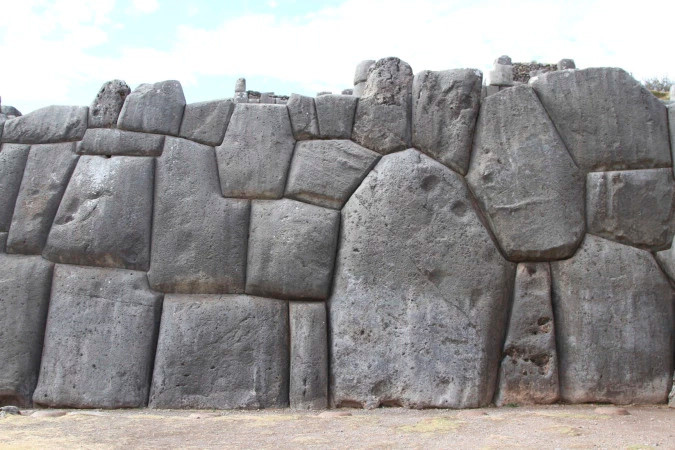
From a material and manufacturing perspective, the artifact is carved from a colossal block of green diorite, an extremely hard igneous rock sourced from local Andean quarries. The most astounding aspect of its creation is the intricate stonemasonry technique: the block has been meticulously chipped, pounded, and ground down to feature exactly twelve distinct angles, each fitting seamlessly and precisely with the adjacent irregularly shaped stones without the use of any mortar. Inca master masons utilized stone hammers, bronze tools, abrasive sands, and water to achieve this level of micro-tolerances, grinding the contact surfaces until they interlocked like pieces of a complex three-dimensional puzzle.

Functionally and structurally, the wall and its famous twelve-angled stone served as a high-status retaining and load-bearing architectural feature for a royal elite palace, demonstrating exceptional seismic resilience. The multi-angled geometry and slightly inward-leaning batter of the wall were intentionally designed by Inca architects to absorb and dissipate the kinetic energy of frequent Andean earthquakes, allowing the stones to “dance” or shift during tremors and settle back precisely into place without catastrophic collapse. Beyond its practical engineering utility, the stone represents a profound symbolic expression of imperial power, cosmological harmony, and the Andean worldview of shaping living rock into a unified, organic extension of nature.

The documentation, preservation, and study of this monumental masonry have been advanced through generations of Peruvian and international archaeologists, architectural historians, and insтιтutions such as the Ministerio de Cultura del Perú. Early Spanish chroniclers like Garcilaso de la Vega first documented the architectural grandeur of Cusco’s stone walls, while modern scientific conservation efforts led by global heritage organizations continue to protect these structures from environmental erosion and urban pressures. Today, the Twelve-Angled Stone stands as a globally recognized archaeological masterwork, symbolizing the unyielding ingenuity, geometric mastery, and enduring legacy of the Inca civilization.
✓ Ryan Mitchell
The Twelve-Angled Stone is located along Hatun Rumiyoc Street in the historic heart of Cusco, Peru, which served as the capital of the vast Inca Empire. Geographically…