The 5,500-Year-Old Footwear Marvel: An Archaeological Analysis of the Areni-1 Leather Shoe
The discovery of the Areni-1 leather shoe represents one of the most astonishing breakthroughs in modern archaeological history, shedding light on the sophisticated material culture of the Copper Age. Dated back approximately 5,500 years to the Chalcolithic period (circa 3500 BCE), this exceptionally preserved artifact is older than both the Great Pyramids of Giza and Stonehenge. From an archaeological perspective, the artifact provides an invaluable window into the daily life, technology, and craftsmanship of ancient pastoral communities inhabiting the South Caucasus region. Its survival in such pristine condition has allowed researchers to examine prehistoric footwear construction with a level of detail previously thought impossible, bridging a major gap in our understanding of early human adaptation and clothing technology.
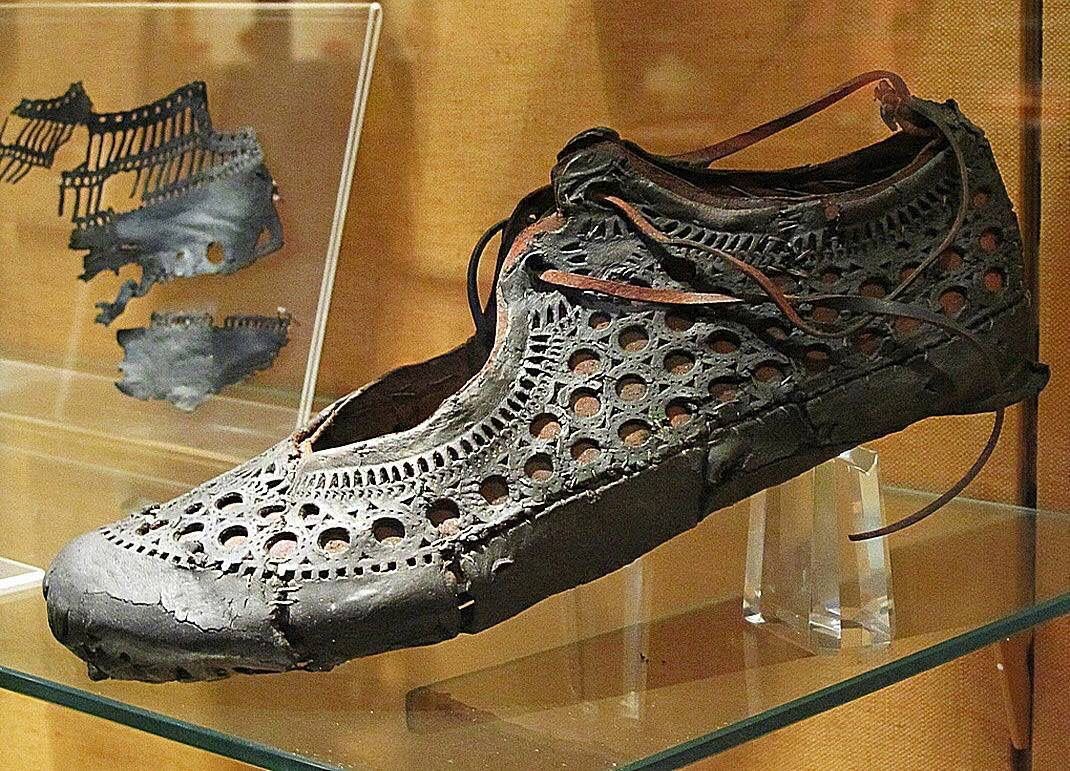
The primary site of discovery is the complex cave system known as Areni-1, situated near the village of Areni in the Vayots Dzor province of southern Armenia, close to the borders of Iran and Turkey. The cave environment proved to be an ideal natural preservation chamber, largely because the floor was thickly carpeted with a sealed, stable layer of dry sheep dung combined with a cool, arid microclimate. This unique stratigraphic environment created a desiccating effect that protected organic materials from bacterial decomposition, oxidation, and moisture damage over millennia. Within this subterranean alcove, the shoe was deliberately placed inside a rounded pit that had been carefully lined with beaten yellow clay, indicating a purposeful ritual deposition or storage action rather than casual loss.

In terms of material composition and manufacturing techniques, the shoe is a masterpiece of prehistoric leatherworking, crafted meticulously from a single piece of heavy cowhide. The hide was treated with vegetable oils to increase its suppleness and durability, and it was fashioned to fit the wearer’s right foot, featuring a sleek, contoured silhouette measuring approximately 24.5 centimeters in length. The construction details reveal advanced sтιтching capabilities: fine leather thongs were threaded through a complex series of punched eyelets along the front and back seams, securing the upper portions while showing signs of repair where eyelets had worn or torn. Furthermore, the interior of the shoe was densely stuffed with dried grᴀsses, which served either to maintain its structural form during storage or to provide thermal insulation and cushioning for the wearer’s foot against the rugged terrain.

The functional utility and cultural significance of the Areni-1 shoe extend far beyond basic foot protection, offering profound insights into the socioeconomic environment of the Copper Age. In a landscape characterized by extreme seasonal fluctuations—where summer temperatures could soar and winters drop well below freezing across sharp, rocky ground—durable footwear was an absolute necessity for survival, migration, and trade. Moreover, the style and craftsmanship bear striking similarities to traditional footwear styles found centuries later in regions as distant as the Balkans and Ireland, hinting at widespread cultural diffusion or shared ancient design traditions across Eurasia. The presence of domesticated animal remains, grain residues, and early winemaking equipment nearby also places the artifact within a settled agricultural society that valued specialized craftsmanship.
The monumental excavation of the Areni-1 Cave complex was spearheaded by an international, multidisciplinary team of archaeologists and paleoanthropologists, including co-directors Dr. Grigor Areshian of the Cotsen Insтιтute of Archaeology at UCLA and Dr. Ron Pinhasi of University College Cork. The specific artifact was remarkably unearthed in 2008 by a brilliant doctoral student, Diana Zardaryan, who initially suspected the object might be a preserved animal ear before recognizing its true historical idenтιтy. Utilizing advanced radiocarbon dating methodologies conducted independently at spectrometry laboratories in the Universities of Oxford and California, the team verified the ancient chronology with absolute scientific rigor. Today, this iconic leather shoe stands as a crown jewel in the permanent collection of the History Museum of Armenia, continuing to captivate scholars and the public alike with its silent testimony to human ingenuity.
✓ Ryan Mitchell
The discovery of the Areni-1 leather shoe represents one of the most astonishing breakthroughs in modern archaeological history, shedding light on the sophisticated material culture of the…