The Ingenious Agricultural Laboratories: The Circular Terraces of Moray

The striking and mysterious circular terraced depressions of Moray, located on a high plateau near the Sacred Valley of the Incas in Peru, represent one of the most brilliant feats of ancient Andean landscape architecture. Situated at approximately 3,500 meters above sea level, this unique archaeological complex consists of mᴀssive, concentric circular platforms that resemble giant amphitheaters carved deep into the earth. As a focal point of pre-Columbian agricultural study, the site captures the profound ingenuity of indigenous civilizations in mastering high-altitude environments, utilizing natural topography, and engineering sophisticated water management systems to sustain flourishing populations in harsh mountain climates.
From a chronological perspective, the archaeological site features a multi-phase history that spans several pre-Inca and imperial epochs. Initial construction and utilization of the lower tiers began during the intermediate period under regional cultures, while the site reached its architectural and scientific zenith during the 15th century AD under the Inca Empire. The expansion and refinement of these mᴀssive stone-lined terraces occurred predominantly during the reigns of formidable Inca rulers such as Pachacuti Yupanqui, who integrated scientific agricultural experimentation into the broader economic centralization of the expanding empire.
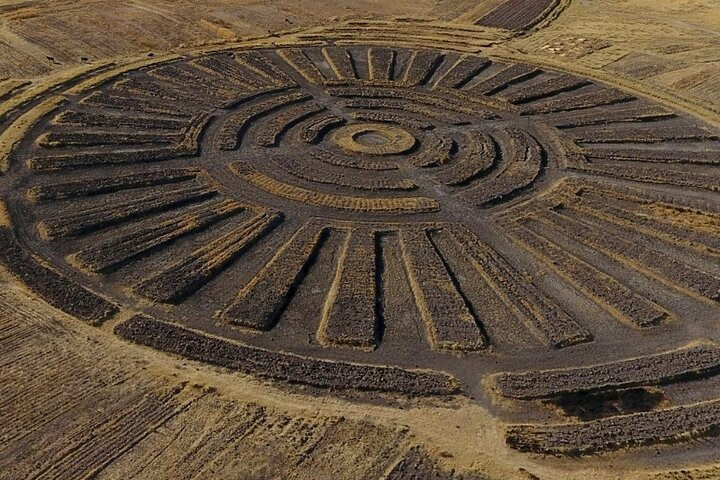
The physical construction and material composition of Moray reflect meticulous planning and extraordinary masonry skills. The terraces are built using local stone retaining walls filled with carefully layered soil, topsoil, and gravel strata brought from different ecological zones to ensure optimal growing conditions. Furthermore, an advanced subterranean drainage and irrigation network—constructed with stone channels and conduits—prevents waterlogging and erosion during heavy rains while keeping the soil evenly hydrated. The precise circular geometry and depth of the depressions—reaching down to nearly 150 meters—were intentionally designed to capture sunlight and shield crops from harsh winds, creating distinct thermal microclimates.
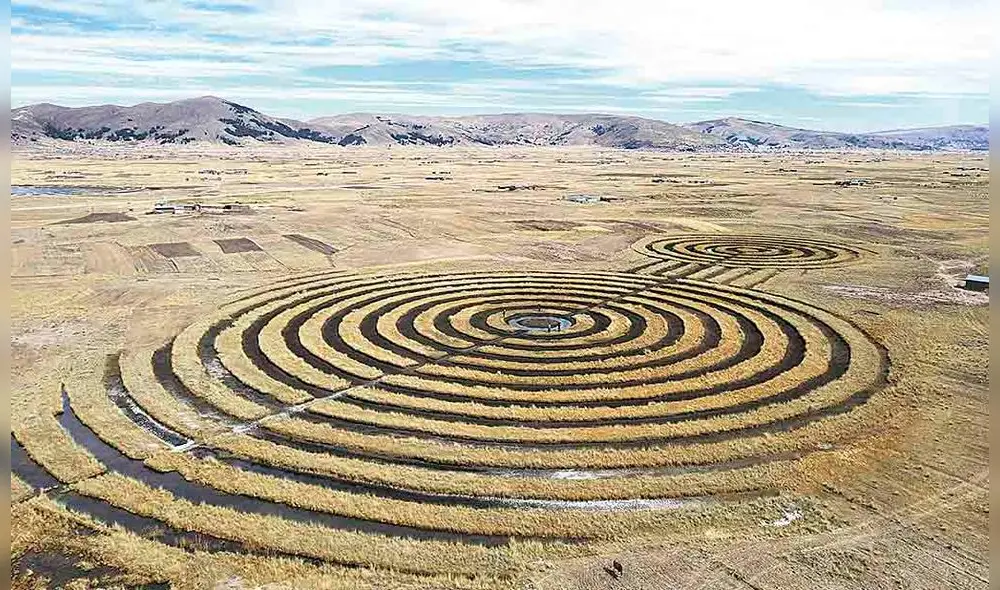
Functionally, archaeologists widely agree that Moray operated as a sophisticated ancient agricultural laboratory rather than a conventional crop-production site. The temperature differential between the highest rim and the lowest basin can vary by as much as 15 degrees Celsius, effectively simulating diverse ecological zones ranging from warm jungle valleys to cold high-altitude plateaus within a single compact complex. This microclimate variation allowed Inca scientists and agronomists to acclimate, domesticate, and hybridize over 250 species of wild plants, including maize, potatoes, quinoa, and sacred coca leaves, successfully adapting them for cultivation throughout the vast empire.
Modern archaeological exploration and preservation of Moray have transitioned from early traveler accounts to systematic scientific investigations overseen by insтιтutions such as the Peruvian Ministry of Culture. Following broader 19th-century explorations of the region, mid-to-late 20th-century archaeological expeditions mapped the precise geometry of the site, excavated its drainage conduits, and highlighted its crucial scientific purpose. Today, Moray continues to be meticulously protected and studied, serving as an enduring testament to the brilliant ecological adaptation and scientific methodology of ancient Andean civilizations.
✓ Ryan Mitchell
The striking and mysterious circular terraced depressions of Moray, located on a high plateau near the Sacred Valley of the Incas in Peru, represent one of the…