The Megalithic Mastery of Andean Stonework: An Archaeological Examination of Incan Polygonal Masonry
Nestled high within the rugged Andean cordillera of Peru, the monumental dry-stone architecture of the Inca Empire—specifically exemplified by the intricate polygonal masonry of structures in Cusco and the fortress complex of Sacsayhuamán—stands as one of the most remarkable achievements in pre-Columbian engineering. Constructed primarily during the Late Horizon period under the expansionist reigns of Pachacuti and his successors starting around 1400 CE, these monumental structures served as the political, administrative, and religious heartland of Tawantinsuyu. The archaeological significance of this site extends far beyond its sheer visual grandeur; it encapsulates a profound synthesis of geological understanding, architectural innovation, and sociopolitical centralization. The builders selected sites of immense strategic and spiritual importance, embedding their masonry directly into the living topography of the Andean landscape to project imperial authority and divine legitimacy across conquered territories.
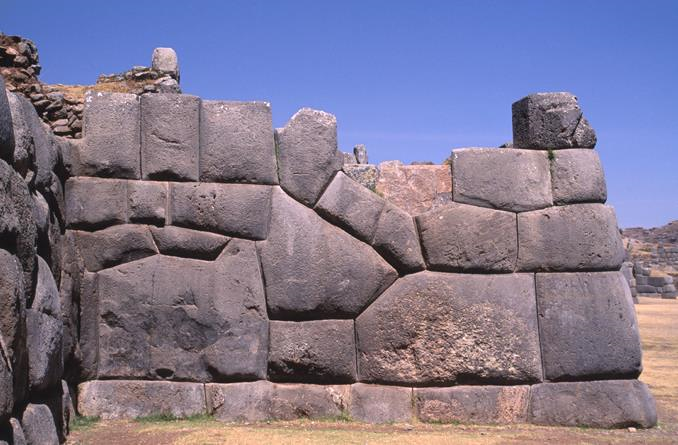
The structural integrity and distinctive aesthetic of these architectural wonders rely heavily on the meticulous selection and sourcing of raw geological materials. The stones utilized in these masterworks are predominantly dense diorite porphyry, dark andesite, and sacral limestone quarried from local deposits such as Rumicolca, situated several kilometers away from the urban center of Cusco. Transporting monolithic blocks weighing upwards of one hundred tons across treacherous mountain terrains without the aid of wheeled vehicles, draft animals, or iron tools required extraordinary logistical coordination and communal labor organization through the traditional Incan mita system. The crafting details defy conventional ancient engineering paradigms: each megalith was individually shaped through exhaustive peck-dressing using hard stone hammers made of hemaтιтe or bronze, followed by abrasive grinding with wet sand to achieve frictionless, millimeter-precise joints that lack any mortar whatsoever. This meticulous stone-fitting technique created interlocking polygonal faces that distributed structural loads evenly across irregular contours.
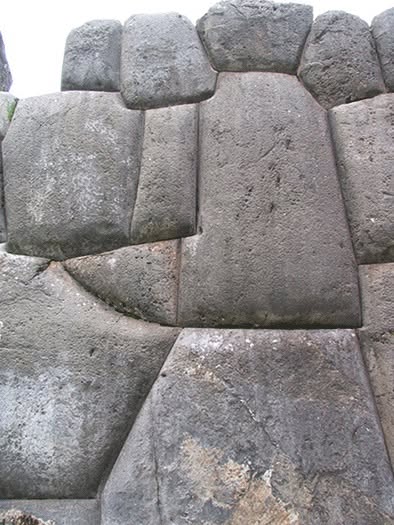
Beyond their structural brilliance, these sophisticated masonry walls served vital functional and symbolic purposes within Incan civilization. Functionally, the interlocking polygonal design acted as a natural shock absorber, allowing the stone blocks to shift slightly during catastrophic Andean earthquakes—which frequently plague the region—and settle back into place without causing catastrophic structural collapse, a seismic-resistant engineering feat that routinely outperformed Spanish colonial constructions built on top of them. Symbolically, the architecture reflected the Incan cosmological worldview, wherein the earth and its stones (mama ruma) were treated as living enтιтies imbued with sacred energy (huaca). By meticulously shaping unyielding rock into harmonious, organic forms, the Inca demonstrated their dominion over nature while simultaneously honoring the mountain deities that governed their agricultural cycles, water supplies, and overall imperial survival.
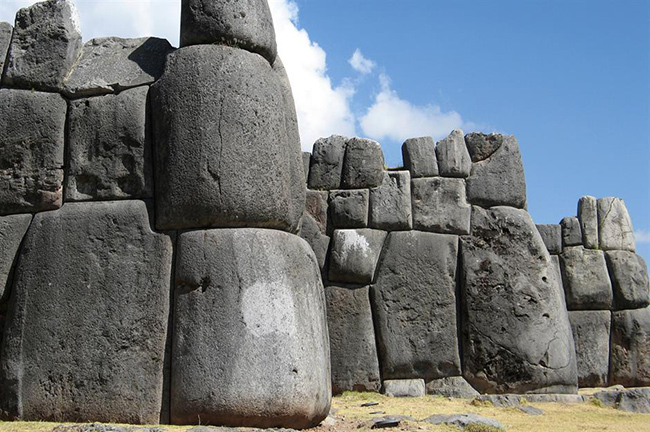
The scientific study, documentation, and preservation of these extraordinary archaeological treasures have been driven by generations of distinguished archaeologists, historians, and epigraphers. Early systematic documentation began during the early 20th century through groundbreaking excavations by Peruvian scholars such as Luis E. Valcárcel, who pioneered scientific archaeology in Cusco, alongside international researchers like Hiram Bingham and later John Rowe, who established chronological frameworks for Andean civilizations. Modern archaeological investigations utilize advanced pH๏τogrammetry, 3D laser scanning, and micro-morphological analysis to unravel the exact quarrying, transport, and ᴀssembly sequences executed by Incan master builders. These interdisciplinary research initiatives are currently coordinated by the Ministerio de Cultura del Perú in close collaboration with global academic insтιтutions, ensuring that the structural mechanics and cultural context of these megalithic monuments are meticulously preserved for future generations.

In conclusion, the polygonal stonework of the Inca Empire represents a towering pinnacle of ancient human ingenuity, bridging the gap between monumental architecture and environmental adaptation. Through rigorous archaeological excavation, geological provenance tracking, and structural engineering analysis, modern science continues to decode the complex socio-economic networks and sophisticated empirical knowledge that enabled pre-Columbian societies to master their hostile highland environment. These enduring stone walls are not merely static relics of a fallen empire, but dynamic archives of human resilience, technological mastery, and spiritual devotion. As ongoing research sheds new light on their construction techniques and ceremonial functions, the megaliths of Cusco and Sacsayhuamán remain timeless testaments to an extraordinary civilization that sculpted the living rock to write its indelible mark upon history.
✓ hoangduc
Nestled high within the rugged Andean cordillera of Peru, the monumental dry-stone architecture of the Inca Empire—specifically exemplified by the intricate polygonal masonry of structures in Cusco…