Unveiling the Fairy Chimneys of Cappadocia: Geological Sculptures and Rock-Cut Heritage
Dating back millions of years through deep geological epochs, with intensive human modification spanning from the Byzantine period and earlier, the striking rock formations of Cappadocia in Central Anatolia, Turkey, present a magnificent convergence of natural sculpture and human adaptation. Known globally as “fairy chimneys” or hoodoos, these towering, phallic-shaped pillars rise dramatically from the eroded valleys, creating a landscape that blurs the boundary between geological wonder and ancient cultural canvas. From an archaeological perspective, these formations serve as a multi-layered stratigraphic archive, documenting how ancient civilizations carved entire subterranean cities, monastic retreats, and dwellings directly into the living rock, utilizing the landscape as both shelter and sacred space.
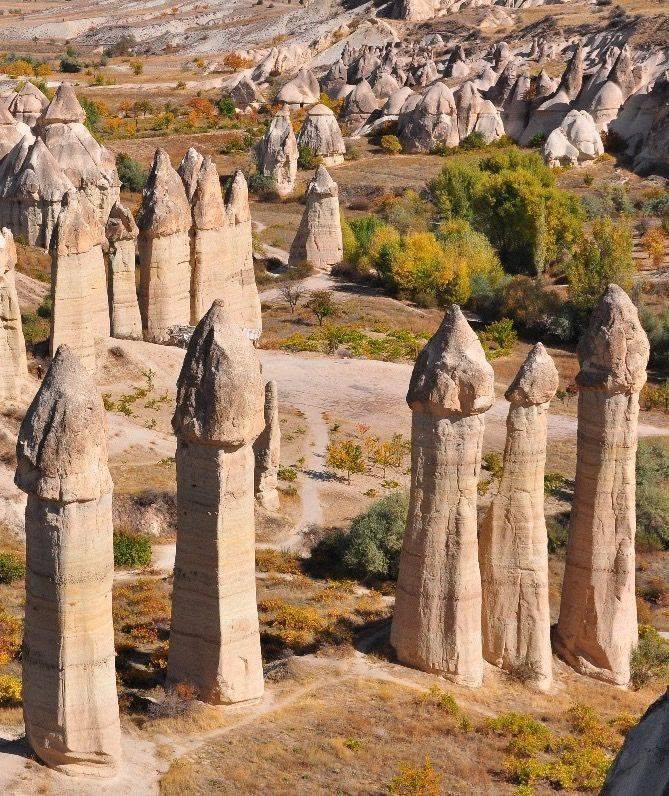
The geographical locus of these formations is centered within the historical region of Cappadocia, specifically prominent in areas such as Love Valley, Göreme, and Zelve in Turkey. The materials composing these monumental pillars consist primarily of soft volcanic tuff, ignimbrite, and layers of basalt deposited by ancient volcanic eruptions occurring millions of years ago during the Neogene period. The crafting details and natural sculpturing of these formations are the result of differential erosion; while the lower shafts are composed of delicate, easily weathered volcanic ash and tuff, the capping stones are protected by harder layers of basalt or tougher ignimbrite caps. Over millennia, wind, rain, and thermal expansion carved away the surrounding rock, leaving behind these isolated pillars, which ancient and medieval human stonemasons later modified by excavating doors, windows, staircases, and interior chambers with remarkable precision.
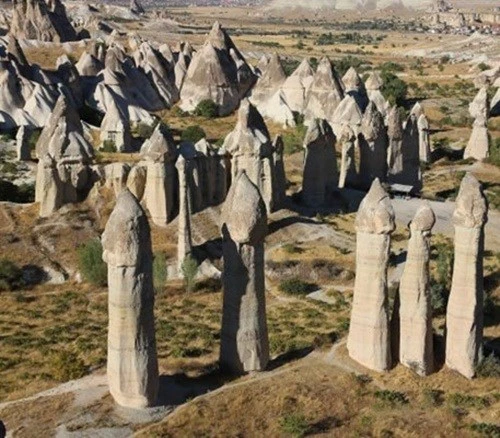
From a functional and sociological standpoint, these rock-cut structures served vital roles for the communities that inhabited them, functioning primarily as fortified human dwellings, monastic sanctuaries, storage depots, and safe havens during periods of regional invasion. During the early Byzantine era, Christian monks and local populations transformed these natural pillars and the surrounding canyons into extensive cave monasteries, complete with chapels adorned with vivid frescoes, refectories, and subterranean escape tunnels. The spatial organization reflects a deep synthesis of defensive necessity, religious isolation, and communal survival, allowing inhabitants to maintain a stable subterranean existence shielded from extreme weather and hostile armies.
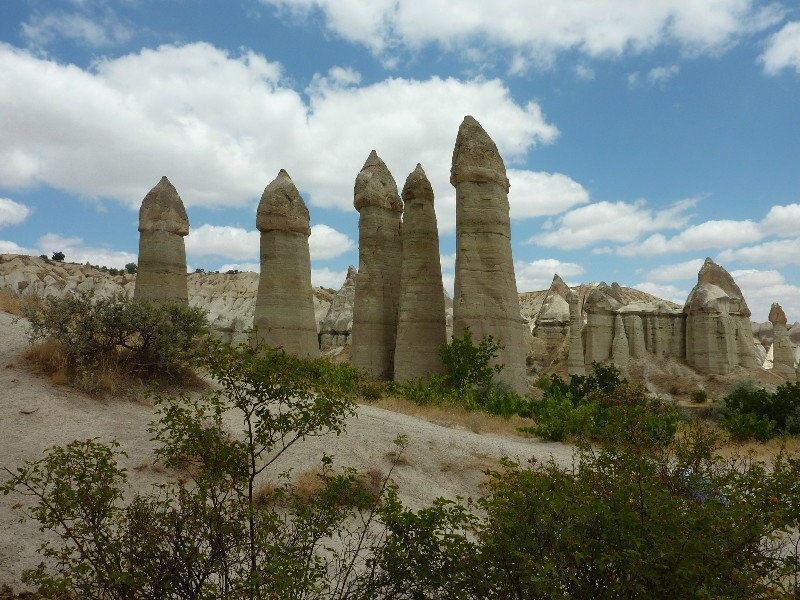
The documentation, archaeological exploration, and preservation of Cappadocia’s unique landscape have been carried out by generations of geologists, Byzantine art historians, and international heritage bodies. Pioneering archaeological surveys conducted throughout the 20th and 21st centuries by Turkish and international insтιтutions have systematically mapped the underground cities and rock-cut churches, leading to the designation of the Göreme National Park and the Rock Sites of Cappadocia as a UNESCO World Heritage Site in 1985. Modern archaeological and conservation teams continue to employ non-destructive testing, structural stabilization, and epigraphic analysis to protect the fragile tufa matrices from environmental degradation and tourism pressures, ensuring the survival of these invaluable historical records.
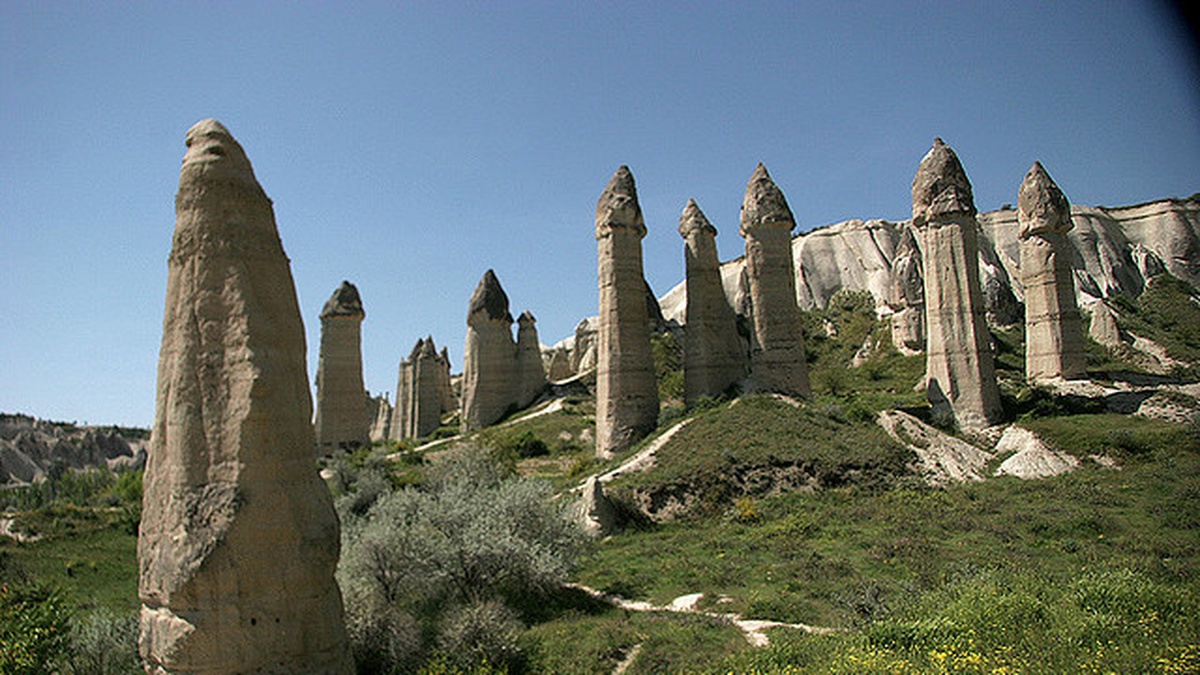
In conclusion, the fairy chimneys of Cappadocia stand as an extraordinary testament to the interplay between natural geological forces and human ingenuity. By seamlessly integrating architectural habitats into volcanic rock formations, ancient and medieval builders created a lasting legacy that continues to captivate researchers and travelers alike. Through ongoing archaeological stewardship, advanced geological monitoring, and careful historical preservation, the secrets locked within these stone pillars are safeguarded for future generations, maintaining Cappadocia’s status as a peerless window into the ancient world.
✓ hoangduc
Dating back millions of years through deep geological epochs, with intensive human modification spanning from the Byzantine period and earlier, the striking rock formations of Cappadocia in…